Technology
What is an NFC tag, and what can you do with a tap?
5 min read
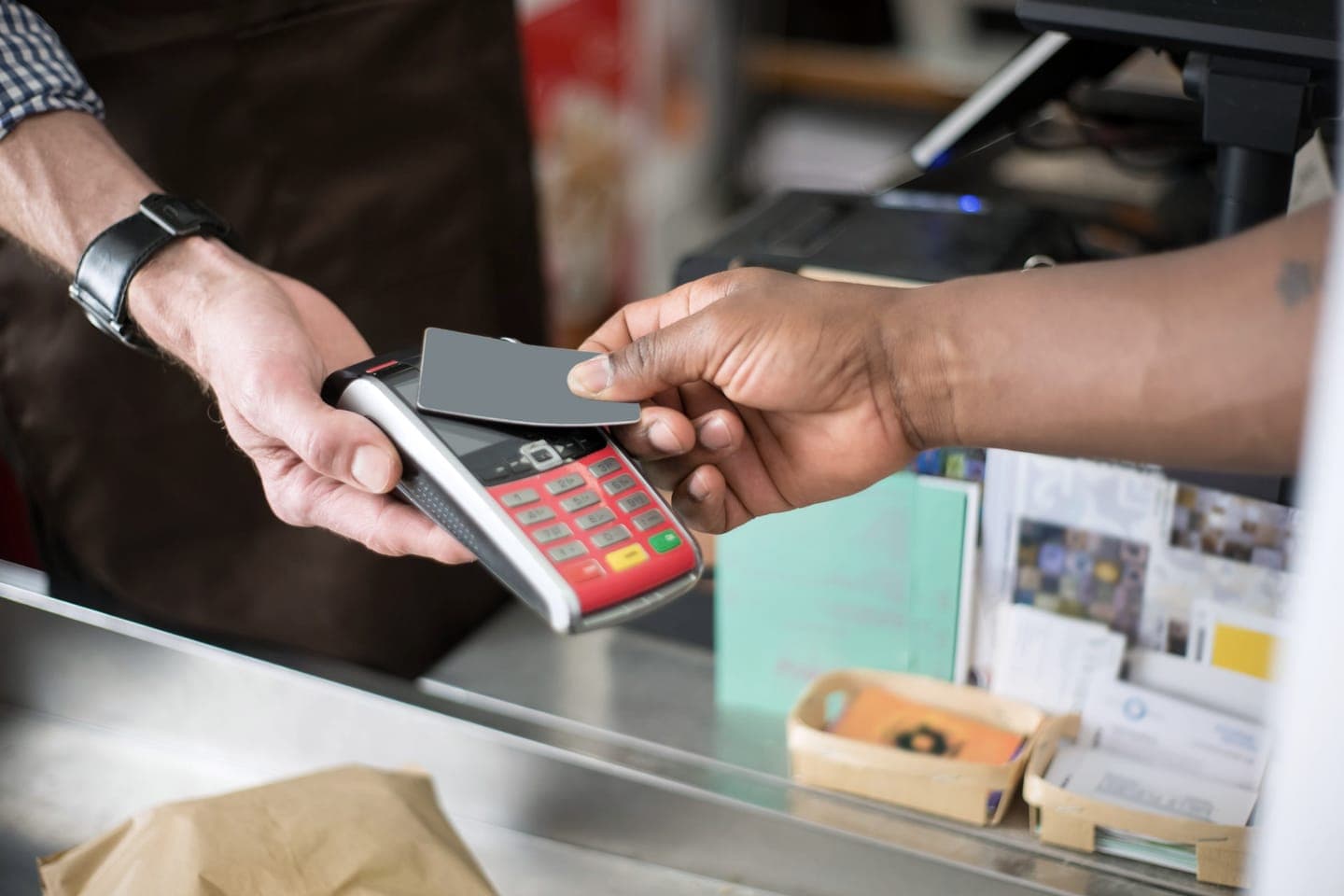
A clear explanation of NFC tags for business: what the chip contains, how a phone reads one with a short tap, why that short range helps, and the everyday uses from instant information to product authentication.
An NFC tag is a tiny chip and antenna, thin enough to sit inside a sticker, card or product. It has no battery. When a phone comes within a few centimeters, the phone's own radio field powers the chip just long enough to read the small amount of data stored on it, usually a link or an identifier.
What a tap can do
- Open information instantly: a product page, a how-to guide, Wi-Fi details or a menu.
- Act as a credential: a smart card or phone that opens a door or checks someone in.
- Confirm authenticity: some chips support cryptographic checks, so a tap can prove an item is genuine rather than just reading a number.
Why the short range helps
NFC works only when you hold the phone close, which makes the interaction deliberate and hard to trigger by accident. That is a feature, not a limit: it suits access, payments-style flows and product authentication, where you want a clear, intentional action.
Most modern phones read NFC tags, recent iPhones in the background and most Android phones once NFC is switched on. That reach is what makes a tap a realistic everyday interaction rather than a novelty.