Guides
QR vs NFC vs RFID: which one fits your project?
6 min read

A plain-language comparison of QR codes, NFC and RFID for business: how each one is read, typical range, cost and phone support, and a simple way to decide which technology, or combination, fits your project best.
QR codes, NFC and RFID all connect a physical thing to digital information, but they read in different ways and suit different jobs. Choosing the right one, or the right mix, is usually the first decision in a connected-technology project. Here is how they compare in plain terms.
How each one is read
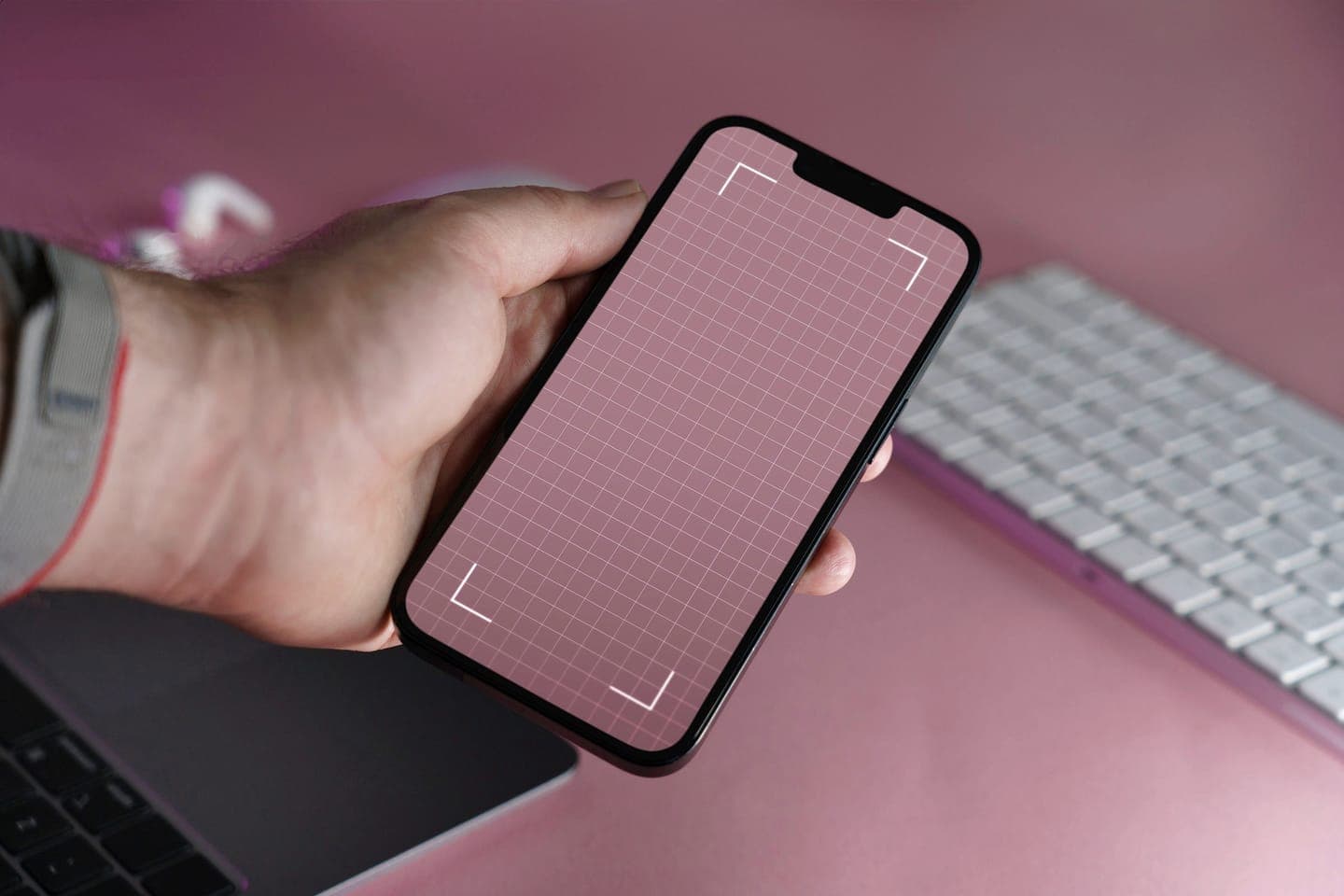
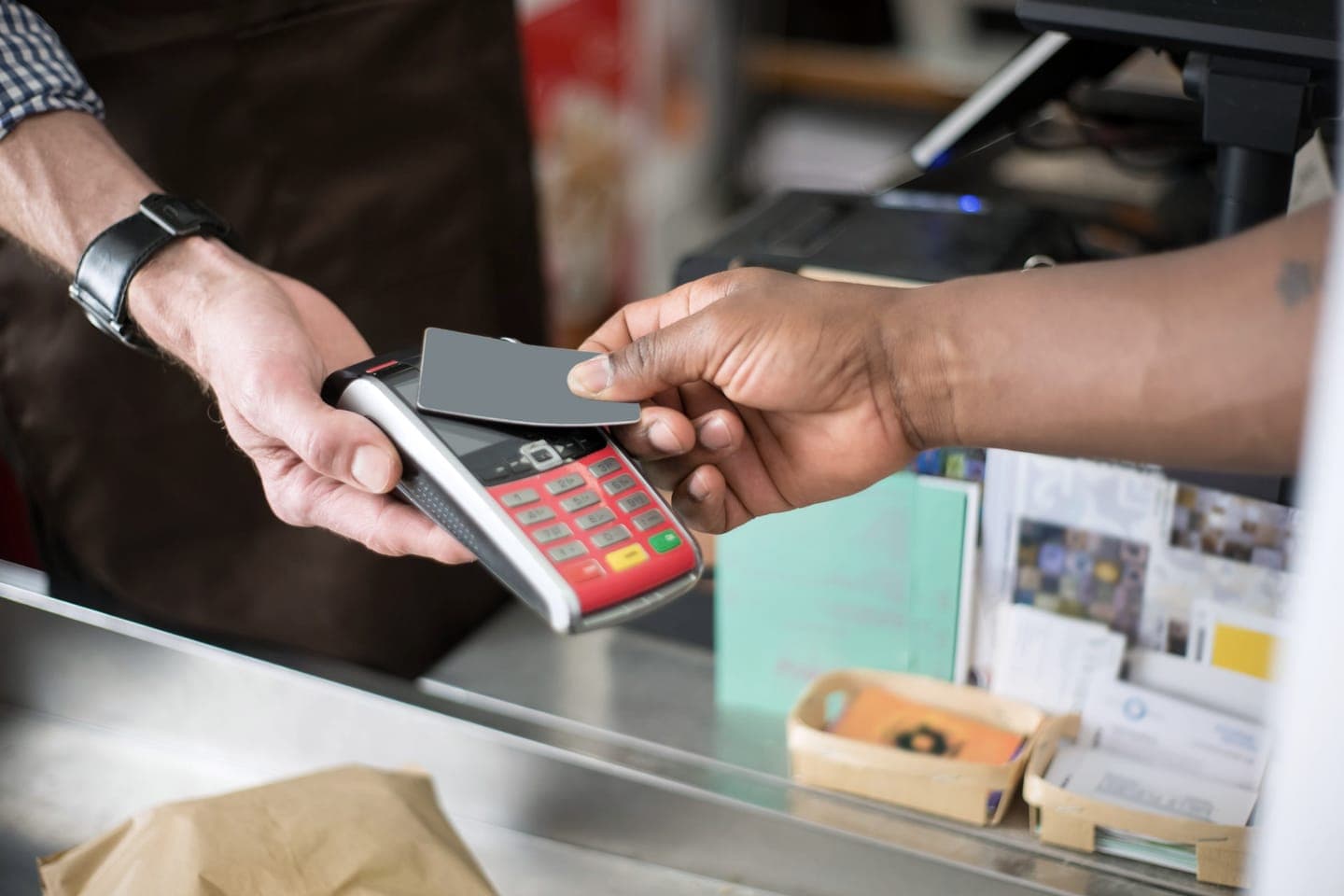
A QR code is read optically: a phone camera sees the pattern and opens a link. NFC (Near Field Communication) is short-range radio read by tapping a phone within a few centimeters. RFID (Radio-Frequency Identification) also uses radio, but a dedicated reader can identify tags without line of sight, often many at once and from a distance.
Range, cost and phones
- QR codes cost almost nothing to print, work with any camera phone and need line of sight and reasonable print quality.
- NFC tags cost a little more, are built into most modern smartphones and work only at very short range, which can be a security advantage.
- RFID reads at several meters with UHF tags and no line of sight, but generally needs its own readers rather than a phone.
A quick way to choose
If anyone with a phone should be able to reach your content, start with a QR code. If you want a deliberate tap, a smart card, or product authentication, look at NFC. If you need to identify many items quickly without pointing at each one, such as stock or assets, RFID earns its keep. Many projects combine them in a single smart tag so customers and systems each use the technology that suits them.
There is no single winner. The right choice depends on the environment, the scale and the people involved, which is exactly the conversation we have at the start of every QR Tech project.