Industry
Connected packaging: turning a product into a channel
6 min read
How a QR code or NFC tag on packaging opens product stories, onboarding, digital manuals, warranty and authenticity, and gives brands a direct, consented link to the people who buy that print alone can never provide.
A product usually leaves the factory silent. The label carries a name and a few static details, and once it is printed it can say nothing new. Connected packaging changes that by adding a QR code or an NFC tag that links the physical pack to content you can update whenever you like.
What it unlocks
- Onboarding that starts with a scan or a tap, instead of a leaflet nobody reads.
- Digital manuals, support and warranty registration in one place, kept current.
- Authenticity checks for premium goods, where an NFC tag can confirm the item is real.
- A direct, consented link to the people who buy, which print alone can't provide.
Choosing the touchpoint
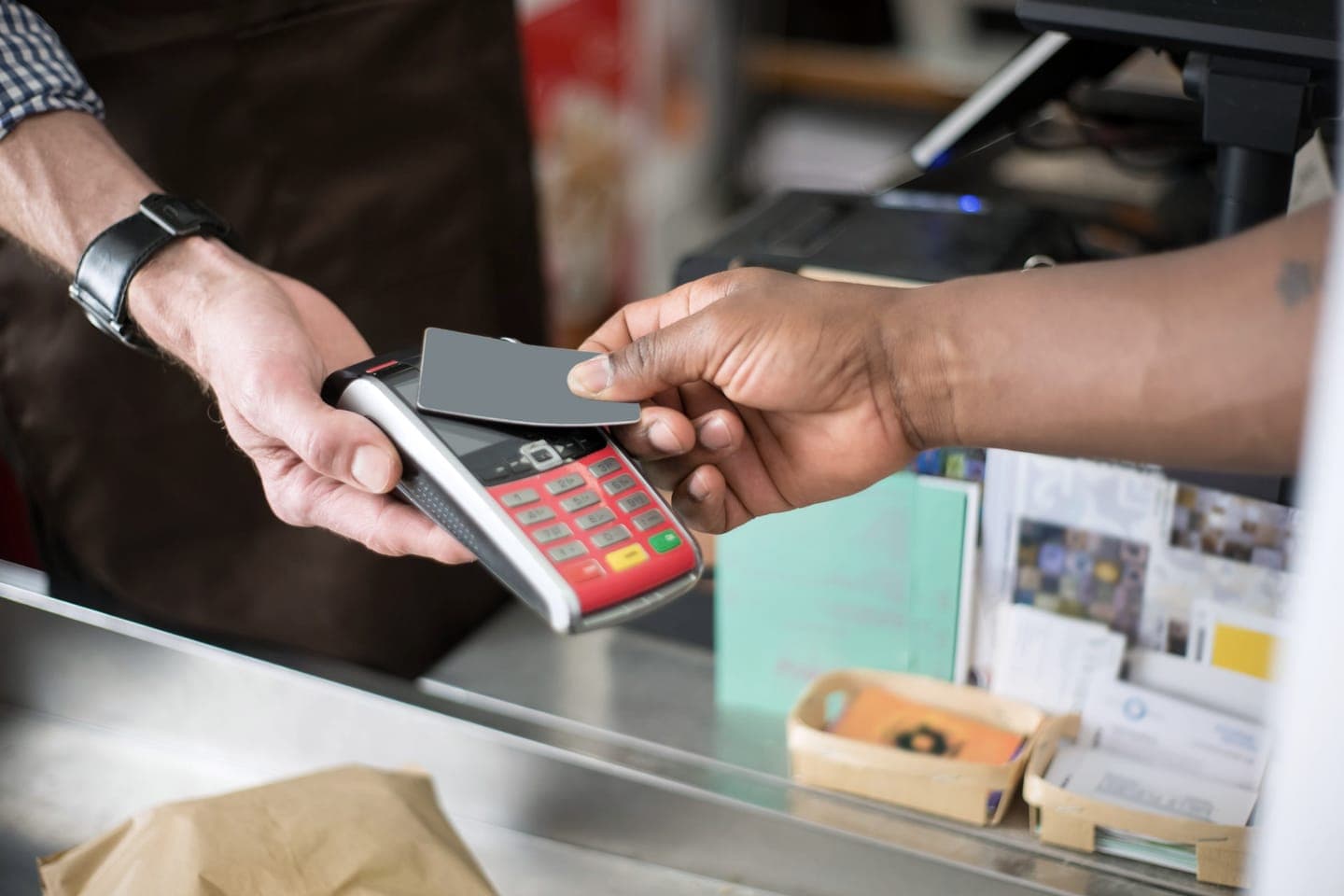
A QR code is the broadest reach and the lowest cost, ideal for onboarding and campaigns. An NFC tag suits a deliberate tap and authentication, and often lives in the product itself rather than the box, so it stays useful for the product's whole life. Some products use both, linked to the same record.
The value is less in the tag than in what sits behind it: the pages, the data and the ability to change the experience over time. That is the system we design around the packaging, not just the code on it.